Inherited Land And Don’t Know What To Do? Start Here.
Inherited Land And Don’t Know What To Do? Start Here.
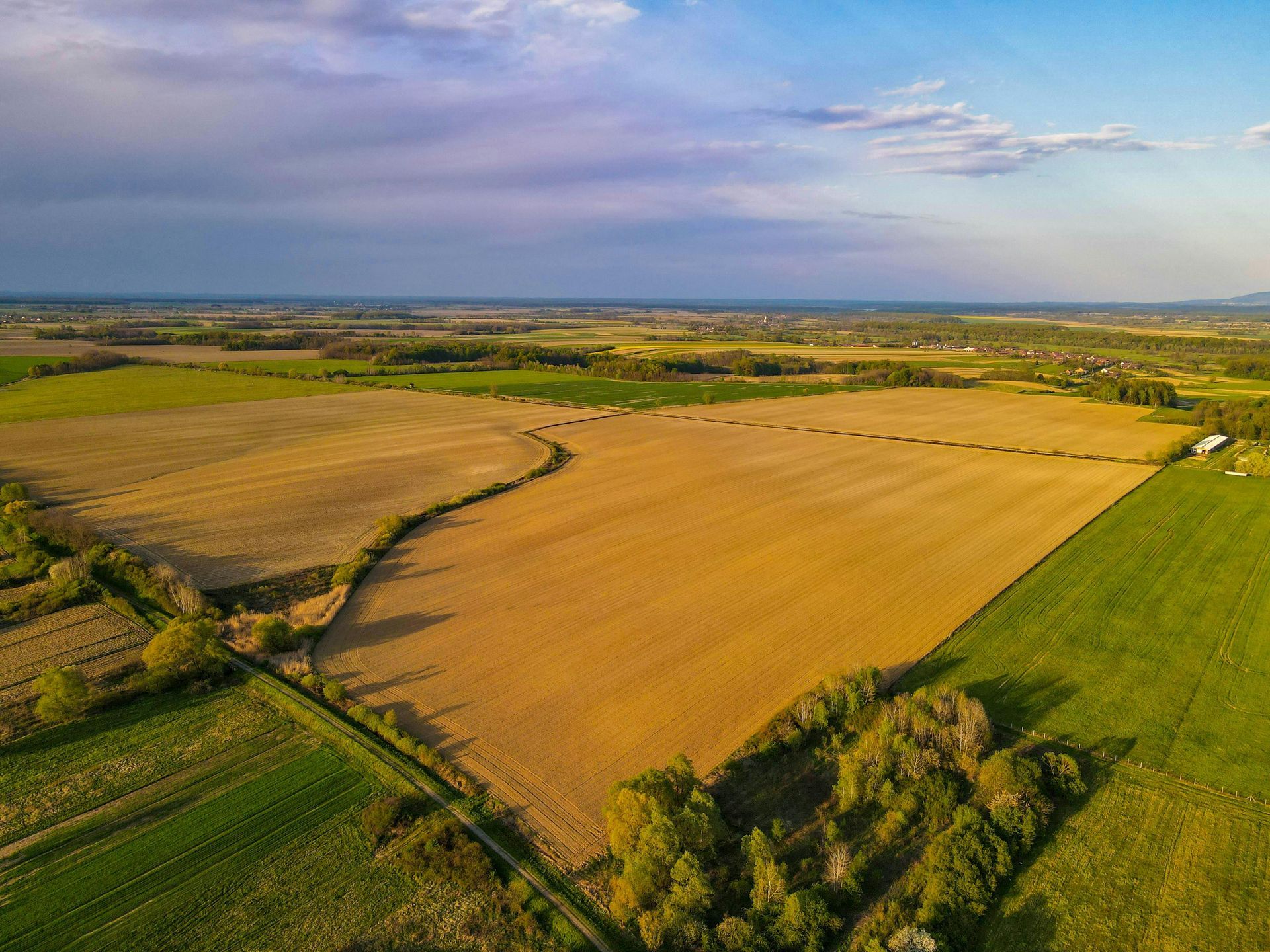
Inheriting land can feel like both a blessing and a burden. While receiving property from a loved one may come with sentimental value, it can also create confusion, stress, and unexpected expenses — especially if you have no plans to use the property yourself.
If you’ve recently inherited vacant land and aren’t sure what to do next, you’re not alone. Many people suddenly find themselves responsible for rural lots, acreage, or undeveloped parcels they know little about. The good news is that you have options, and understanding them is the first step toward making the right decision.
Step 1: Gather Information About the Property
Before making any decisions, start by learning the basics about the land. Important details include:
- Property location
- Parcel/APN number
- Size and zoning
- Annual property taxes
- HOA fees (if applicable)
- Access to utilities or roads
- Any liens or back taxes
You can usually find this information through the county assessor’s office or by reviewing the documents from the estate.
Understanding what you inherited helps determine the property’s value and what options are available to you.
Step 2: Decide Whether You Want To Keep It
Ask yourself a few practical questions:
- Do you plan to build on the land?
- Will you use it recreationally?
- Are you prepared to maintain it long term?
- Are property taxes affordable?
- Does the land fit into your financial goals?
Many inherited landowners quickly realize they have no intention of using the property. In some cases, the land may even become a financial drain due to taxes, maintenance, cleanup, or legal responsibilities.
If keeping the property doesn’t make sense, selling may be the best solution.
Step 3: Understand the Costs of Holding Vacant Land
Vacant land may seem low maintenance, but ownership still comes with ongoing costs, such as:
- Property taxes
- HOA dues
- Weed abatement or cleanup
- Liability concerns
- Survey or legal fees
- Probate-related expenses
Unlike a home, vacant land typically doesn’t generate income unless it’s leased or developed. For many heirs, selling the land removes an ongoing financial obligation and provides immediate cash.
Step 4: Determine the Property’s Value
Land value depends on several factors, including:
- Location
- Road access
- Utilities nearby
- Zoning and permitted uses
- Market demand
- Terrain and usability
You can research comparable land sales online, speak with a local real estate professional, or request a cash offer from a land-buying company.
Keep in mind that raw land is often harder to value than residential homes because every parcel is unique.
Step 5: Consider Selling for Cash
If you don’t want the responsibility of owning inherited land, selling directly to a land-buying company can simplify the process.
A direct sale may help you avoid:
- Listing commissions
- Long wait times
- Costly cleanups
- Marketing expenses
- Negotiations with multiple buyers
Many sellers choose this route because it’s fast, simple, and eliminates uncertainty — especially when dealing with inherited property from out of state.
At Landly Land Buyers, we work with inherited landowners across the country to help them sell unwanted vacant land quickly and easily. Whether the property has back taxes, difficult access, or has been sitting unused for years, we may be able to help.
Step 6: Make Sure Probate Issues Are Resolved
In some situations, inherited land cannot be sold until probate is completed or ownership is legally transferred.
If multiple heirs inherited the property together, everyone may need to agree before a sale can move forward.
An attorney or title company can help clarify ownership and ensure the transaction is handled properly.
Common Reasons People Sell Inherited Land
Here are some of the most common reasons heirs decide to sell:
- They live out of state
- The land is too expensive to maintain
- They have no plans to use it
- The property was inherited jointly with family members
- They want to avoid future tax burdens
- They prefer cash instead of long-term ownership responsibilities
There’s no right or wrong choice — only what makes the most sense for your situation.
Final Thoughts
Inheriting land can feel overwhelming at first, especially if you’re unfamiliar with real estate or vacant property ownership. But you don’t have to figure everything out overnight.
Start by gathering information, understanding your options, and deciding whether the property fits your long-term goals. If it doesn’t, selling may provide relief, simplicity, and financial flexibility.
If you’re ready to explore your options, Landly Land Buyers can help you evaluate your inherited land and provide a fair cash offer with no pressure or obligation.